Phrase
no pasa nada
/no ˈpa.sa ˈna.ða/
No harm done. Think nothing of it.
Where you met it
Perdona por el ruido. —No pasa nada.
AI vocabulary tutor · Nine languages
Where a word comes from
You met it in a film, in a message, in a shop. It arrived inside a sentence, doing a job, with a person behind it — and that is the half a dictionary throws away. Memoxia keeps the sentence.
01
Paste the sentence you heard. The tutor reads the phrase inside it rather than the word on its own.
02
What the phrase does to the person hearing it, which other phrase it is not standing in for, and when it would be the wrong thing to say.
03
The word is saved with your own sentence attached, so the memory has something to hang on.
The tutor
Not what does this mean. What did she mean by it, and why that phrase and not the other one. The tutor answers in the language you already think in, and keeps the word with one tap.
My neighbour says “no pasa nada” every time I apologize.
no pasa nada waves the apology away — nothing happened, nothing to forgive. It answers sorry, not thank you.
Phrase
no pasa nada
/no ˈpa.sa ˈna.ða/
No harm done. Think nothing of it.
Where you met it
Perdona por el ruido. —No pasa nada.
Prepared for you
Translation, pronunciation, examples and usage notes arrive with the word.
A picture per word
Memoxia draws one, in a single illustrated hand, so a word has a face before you ever revise it.
Your own language
The explanation is written in the language you think in, not the one you are learning.
What it needs
The tutor needs an account and a connection. Browsing the packs and trying the practice needs neither.
Your library
As a word is prepared, Memoxia draws it — one illustrated hand across the whole library, so a page of your vocabulary is something worth opening rather than a column of glosses.
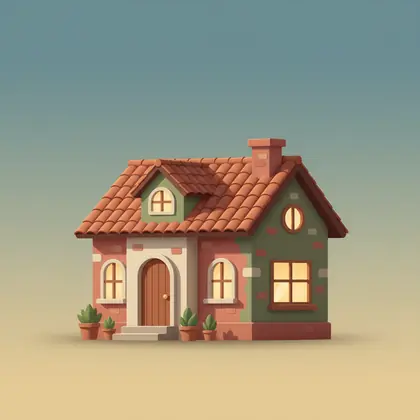
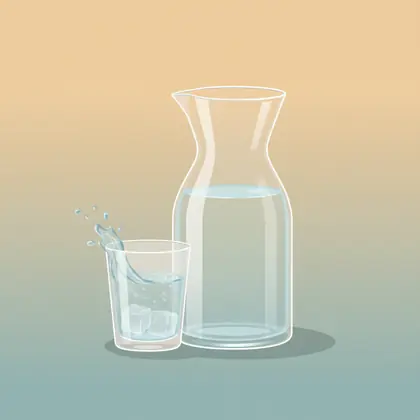
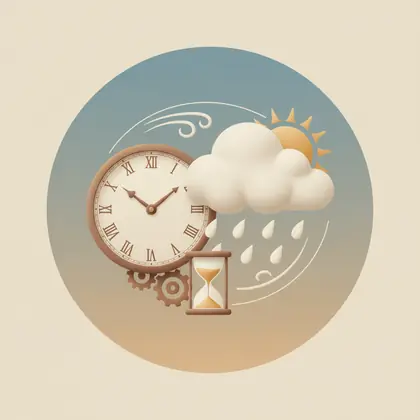



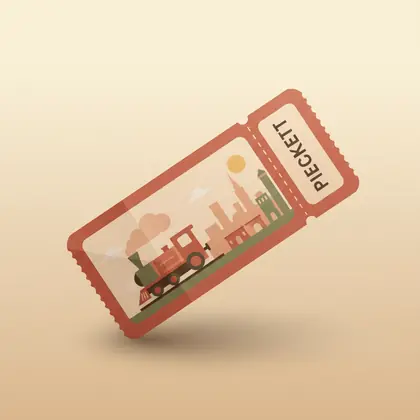

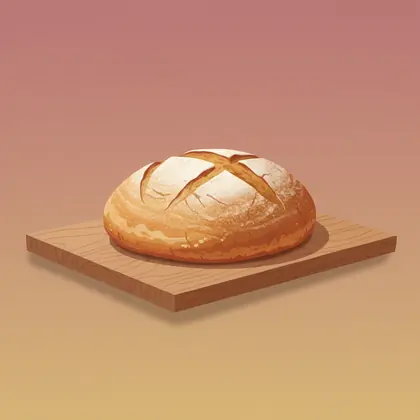
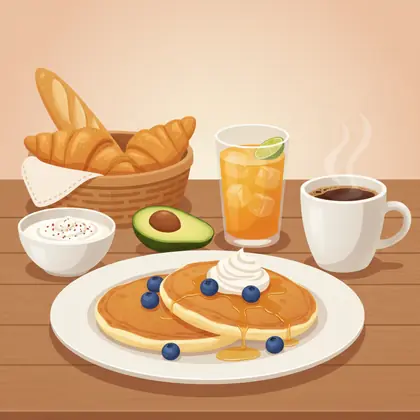
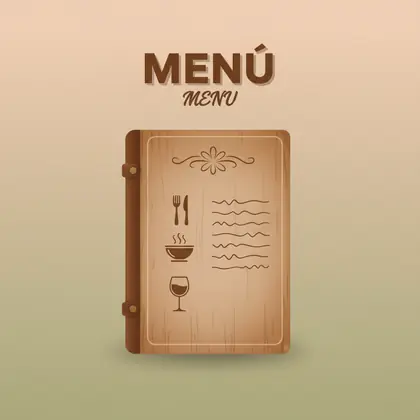
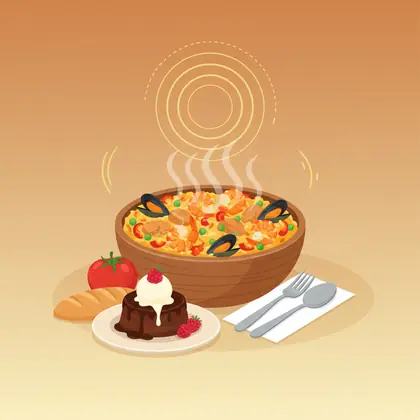
Words from the Spanish starter library, with the pictures the app ships for them.
Practice
A word you met yesterday comes back today. One you have held for a month comes back in two. Memoxia picks the gap and keeps the sitting short.
A sitting mixes them, so the same word is never met the same way twice and the shape of a card is never the thing you learn.
You asked for this at the end of a meal in Seville. What were you asking for?
la cuenta
/la ˈkwen.ta/
One card from a real sitting. The card still waiting for an answer stands a step above the rest, and drops back the moment it is answered.
The schedule
The same word, over its first four months: carried by Memoxia's schedule, and left alone after the first sitting. Both lines are the app's own scheduler, sampled every few hours.
One word's first four months
Plotted by the app's scheduler, not drawn by hand.
VocabHub
Packs across all nine languages: the first hundred words, and the ones you need at an airport, at a table, at a doctor's. Every cover is painted rather than labelled.
Spanish
Beginner · 50 words

French
Beginner · 50 words
German
Beginner · 71 words

Japanese
Beginner · 50 words

Chinese
Beginner · 50 words

Polish
Beginner · 45 words
Add a pack and its words join the same library and the same schedule as the ones you brought yourself.
Browse every packNine languages
Nine to learn, and the app speaks to you in your own while you do it. What you have built in each one is kept apart from the rest.
Switch whenever you like. Libraries, schedules and progress never mix.
Before you install it
The questions worth answering before you spend an evening on something.
Open it, paste the line you heard, and read what the tutor says about the phrase inside it. That is the whole of the first minute.